
When it comes to sustainability, we’re all-in
We replace industry promises with evidence. The real numbers, published in full.
Net zero isn’t where we’re headed. It’s how we build.
Sustainable design
Day 1
sustainability specialists join together before the first line is drawn
WELL-certified
78%
of our buildings hold WELL Gold or Platinum certification
Decarbonisation targets
90%
overall emissions reduction by 2050
Certified standards
Every new project is designed and assessed to the world’s most rigorous environmental and health standards. WELL Platinum and BREEAM Outstanding are our baseline, not our ceiling.

Where our commitments become concrete
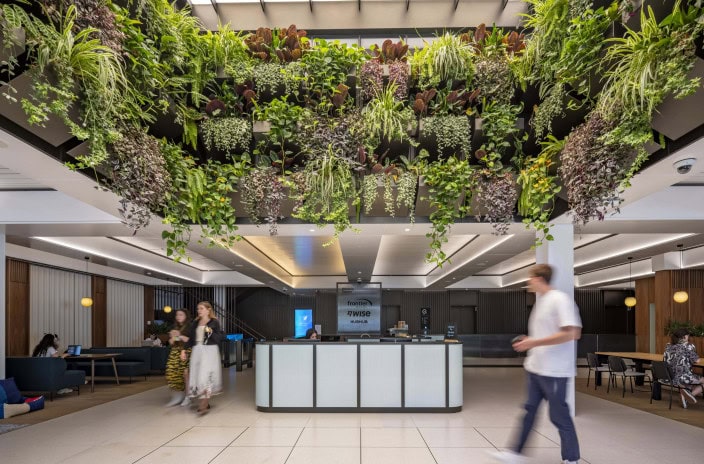 Decarbonisation Project of the Year
Worship Square
Our first net-zero building in both construction and operation. The standard every project that follows will aspire to meet.
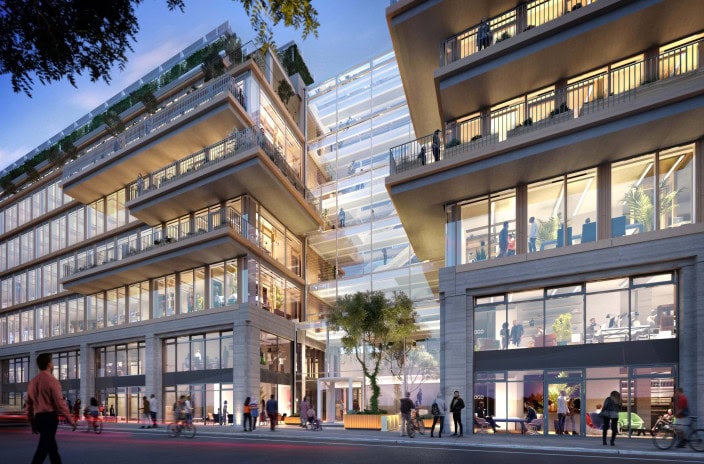 Net-zero in operation
PLTFRM.Berlin
To be powered by renewable energy, targeting DGNB Gold and WELL Gold. Aiming to become Germany’s first Platinum-rated building for sustainable mobility.
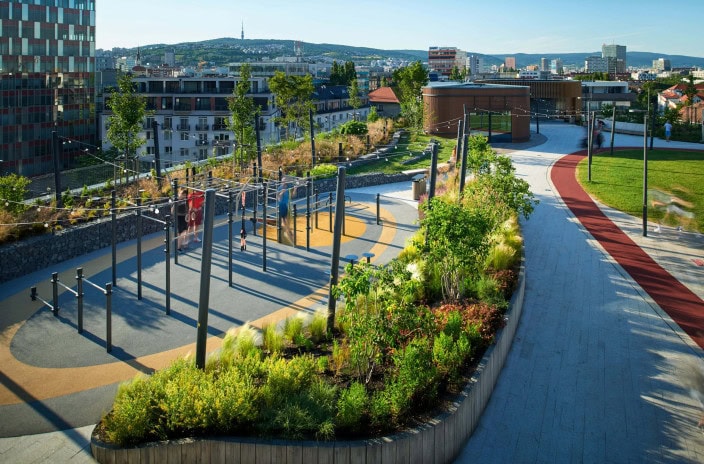 Bratislava Climate Challenge
Nivy Tower
A sustainable business district in the heart of Bratislava, we’re committed to reducing energy use and waste by at least 5% in 2026.
Every building we create is a living ecosystem
From the first day of design, we think about how a building will connect the people inside it and the wider community around it. In every country we operate, we have a dedicated in-building team whose purpose is to keep that ecosystem alive.
Wellbeing by design
From yoga, Pilates and massages to health checks, psychological safety workshops and blood donation drives. We believe a workplace that genuinely looks after people performs better for the organisations inside it. Our buildings are engineered for health, leading to higher productivity, greater satisfaction and stronger employee retention.
2025 in numbers
800+ events
31,000+ participants
Events for the people around us
Two annual tower runs that have become part of the city: Warsaw’s Varso and Bratislava’s Nivy. Through partnerships with NGOs, volunteering and activities such as dance classes on the green roof of Nivy Mall, we open our spaces to the communities around them.
Impact goes both ways
We apply a double materiality lens to every ESG topic, assessing both its effect on our business and its real-world impact on people and the planet. Our disclosures are baselined and published in full. If we can’t evidence it, we won’t say it.
How we hold ourselves accountable
We believe that sustainable growth can only be achieved through sound governance and ethical practices. This is why what we do is built on a strong foundation of transparency, accountability and effective stakeholder engagement.
Transparency and accountability
Our governance structure ensures alignment with global standards and continuous improvement in our sustainability practices.
Ethical policies
Our Ethics Programme covers every level of the organisation, from our Code of Ethics and anti-bribery policy to a confidential whistleblowing system available in every language we operate in.
Targets at a glance
Our targets are aligned with the 1.5°C pathway and measured against a 2021 baseline.
Here’s where we stand.
90% fewer carbon emissions
across all scopes by 2050
42% fewer emissions
Scope 1 & 2 by 2030
25% fewer emissions
Scope 3 by 2030
See how we plan to get there
Read our full roadmap